Real Stories, Measurable Results
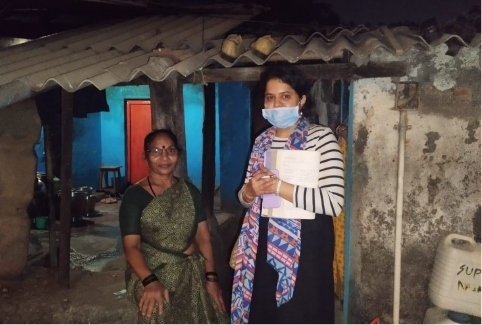
Partner Highlight: Working with researchers
Goal: Uncover hidden respiratory illness in high-pollution zones.
Actions: Deployed voice screening; door-to-door outreach.
Impact: Hundreds screened, many referred for continued monitoring.
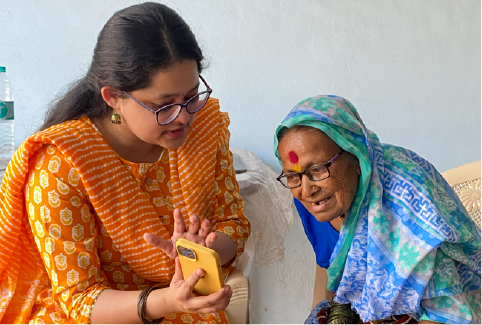
Partner Highlight: Collaboration with DigiSwasthya Foundation.
Goal: Detect conditions in high indoor-pollution villages.
Actions: Screened 100+ residents; educated on pollution.
Impact: Free lung checks; referral of high-risk cases.
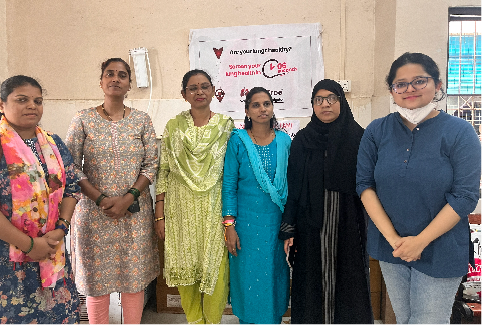
Location: Govandi, Mumbai.
The Problem: Toxic smoke caused chronic issues among residents.
Impact: Coughs & breathlessness reduced after health camp.
Our Action: Partnered with Waatavaran & GNSW Mumbai.
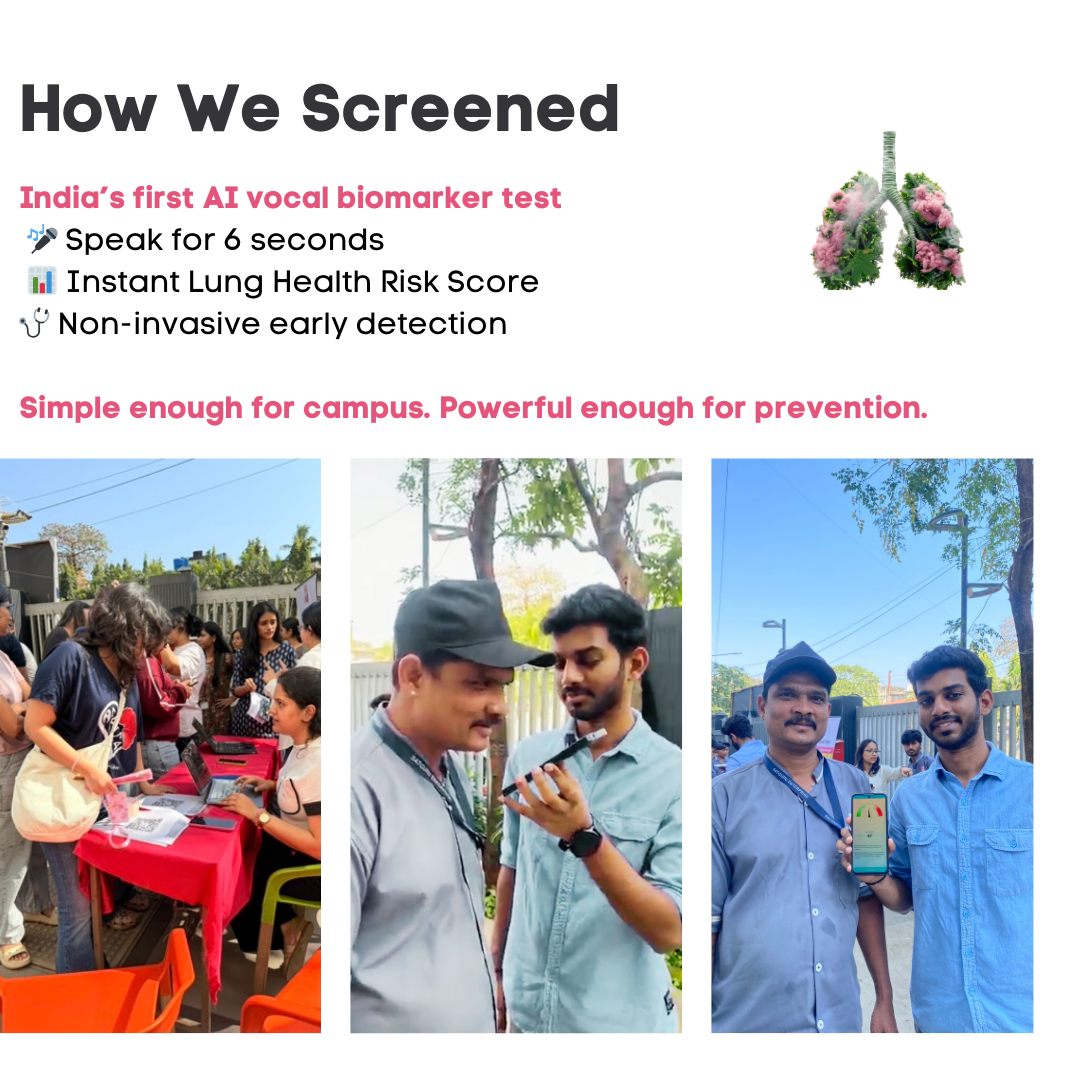
Mumbai's air quality poses a serious health risk, yet lung health screening is rarely prioritised. On a university campus where students, faculty, and staff spend long hours daily, no preventive lung health monitoring existed. Most individuals ignored early symptoms like cough, fatigue, and reduced stamina, assuming they were normal.
PinkTree Foundation partnered with NMIMS School of Mathematics, Applied Statistics & Analytics to conduct a one-day lung health screening camp on the Mumbai campus. The camp used India's first AI-enabled vocal biomarker test, requiring only a six-second voice recording. The process included three steps: awareness education on air pollution and symptoms, voice-based AI screening, and immediate risk assessment with medical guidance.
Seventy-five community members participated, including fifty-three students, five faculty members, and seventeen non-teaching staff.
Key findings:
87.7 percent had never tested their lung health before
43.3 percent reported reduced stamina during daily activities
29.9 percent experienced persistent respiratory symptoms for over two weeks
29.9 percent had missed classes or work due to breathing issues
47.8 percent faced daily exposure to pollution from smoke, fumes, or dust
All participants received instant risk scores. Those with elevated or high risk were guided to pulmonologists for further evaluation.
For campuses and workplaces: Make annual AI voice-based lung screening a routine health service. It is non-invasive, instant, and scalable.
For individuals living in polluted cities: Do not ignore a persistent cough or low stamina. Get screened even when feeling healthy. A six-second test can reveal hidden risk.
For administrators: Integrate screening with follow-up care pathways and advocate for better campus air quality.
In a city where ninety percent of residents breathe unsafe air daily, waiting for symptoms to appear before checking lung health is no longer acceptable. The NMIMS-PinkTree Foundation lung health screening camp proved that early detection is possible, simple, and scalable. A six-second voice recording, combined with basic awareness and clear follow-up guidance, can bridge the testing gap that leaves millions unaware of their respiratory risk.
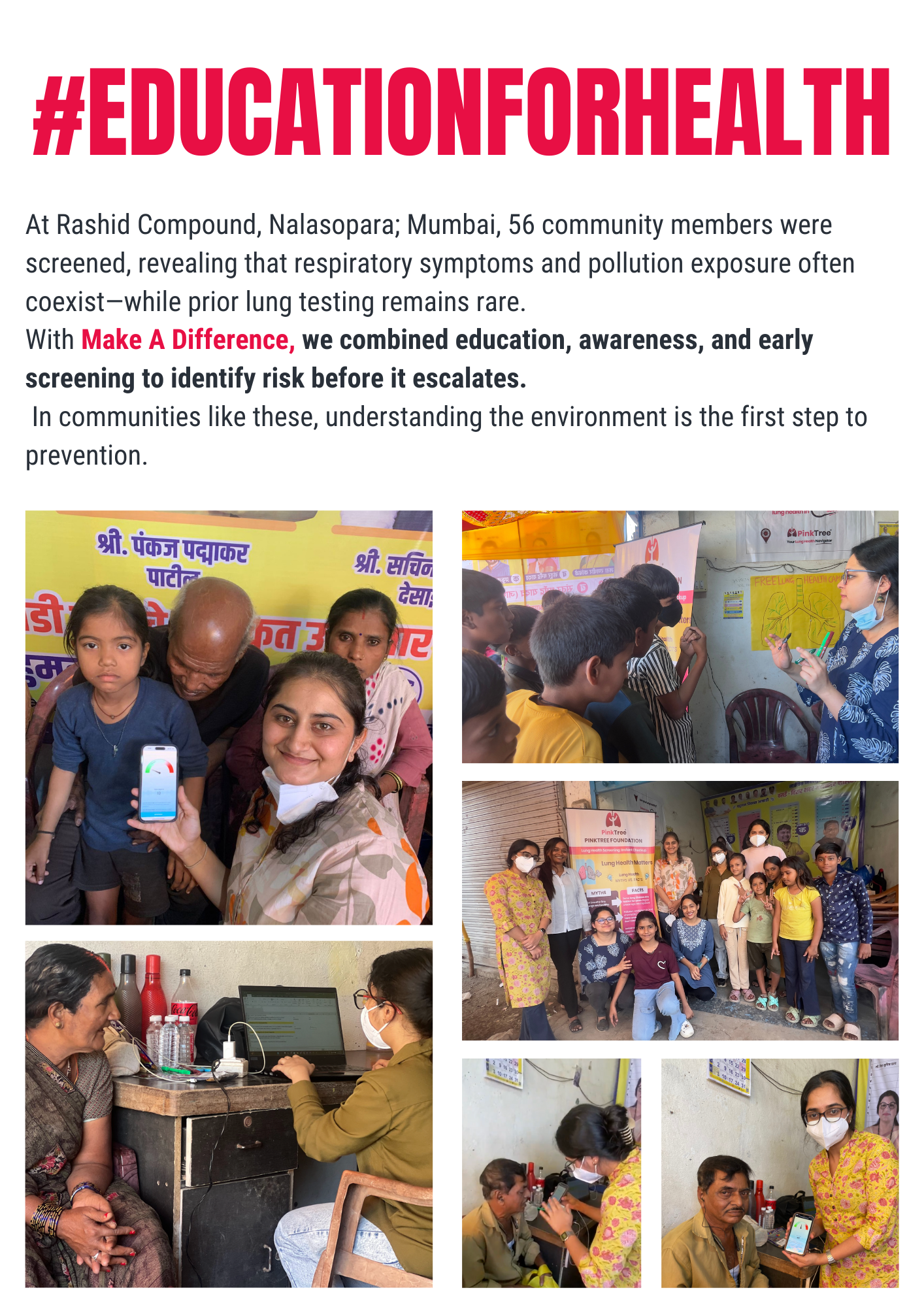
Title: From Doorstep to Diagnosis – A Community Lung Health Initiative in Nalasopara East
Organization Partners: PinkTree Foundation and Make A Difference (MAD)
Location: Rashid Compound, Dhaniy Baug, Nalasopara East, Mumbai
In Mumbai's informal settlements, respiratory symptoms like cough and breathlessness are often seen as normal. Residents accept them as part of daily life rather than treatable conditions. By the time a person reaches an emergency room, irreversible lung damage may have already occurred.
At Rashid Compound, the situation was severe. Open waste burning, factory proximity, daily indoor smoke from mosquito coils and incense, and visible mold on walls created a toxic environment. Yet no systematic lung health screening had ever reached this community.
PinkTree Foundation partnered with MAD to bring preventive lung health screening directly to the community. PinkTree provided AI-enabled vocal biomarker technology, requiring only a six-second voice sample. MAD provided deep community trust and on-ground mobilization.
The camp combined awareness sessions on air quality and respiratory health with voice-based AI screening and immediate risk feedback. High-risk individuals were guided to nearby chest physicians for follow-up care.
Fifty-six community members were screened. Seventy percent received their first-ever lung health status. Eighty-seven percent had never undergone any professional lung check-up before.
Key findings among participants:
Over 60 percent reported persistent cough, breathlessness, or chest tightness
84 percent used mosquito coils or incense daily in poorly ventilated spaces
75 percent reported visible mold on walls
54 percent smelled burning garbage inside their homes daily
One in three households reported children frequently falling sick or coughing
High-risk cases were referred to physicians. Elderly residents received their first lung function data after decades of exposure. Children were screened early to prevent chronic conditions from developing.
This pilot proved that when cost, distance, and stigma are removed, people choose preventive health. The plan moving forward includes three actions: replicate the partnership in ten more high-risk compounds by 2026, integrate participants into the PinkTree App for ongoing monitoring, and train local youth as Lung Health Champions to sustain awareness.
Clean air should not depend on a postal code. Traditional healthcare waits for a crisis. This partnership proved that early detection at the doorstep is possible, scalable, and an act of social justice.
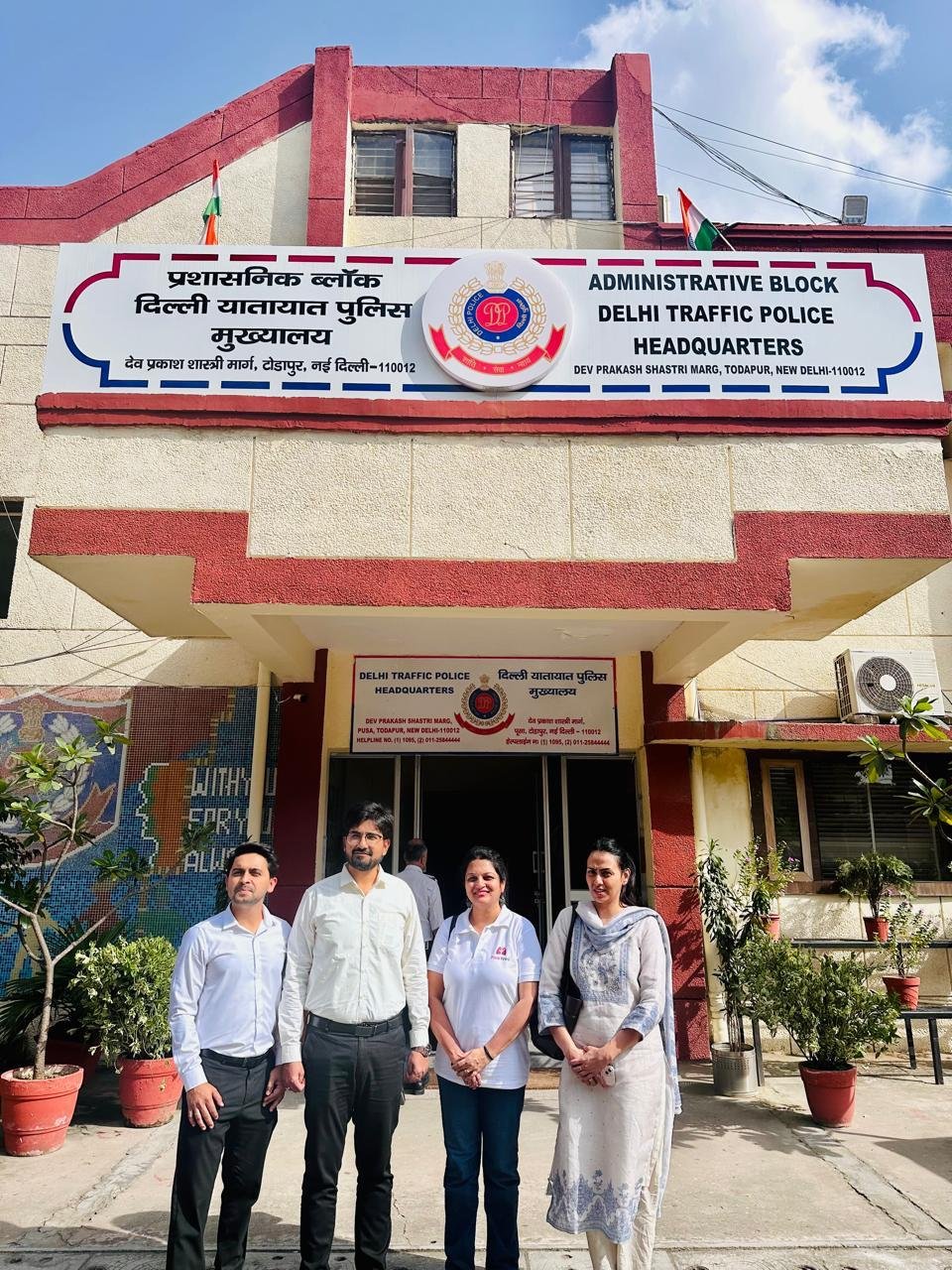
Traffic police are on the front line of urban air pollution. They spend long hours at busy junctions, breathing vehicle exhaust, fine particulate matter, road dust and airborne allergens. Delhi recorded an annual average PM2.5 level of 99.6 µg/m³ in 2025, nearly twenty times the WHO guideline of 5 µg/m³, while in Mumbai road-dust resuspension and ongoing construction drive a heavy particulate burden. Indian studies from Gujarat to Chennai have found that lung function among traffic personnel worsens with every year of service — yet everyday protection rarely reaches them.
Partner Voice: "For me, this is one way we give back to society — by identifying a real, everyday challenge and taking preventive action." – Sahil Poddar, Head Marketing, Dr. Reddy's Laboratories
Founder's Voice: "Ten thousand masks are a beginning, not a conclusion. Our commitment is to keep coming back — with protection, with screening, and with follow-up care — because every breath matters." – Nandita Dandekar, Founder, PinkTree Foundation
Frontline Voice: "Our duty keeps us on the road through the whole day, in traffic, dust and smoke. Over the years, a cough or heaviness in the chest starts to feel normal, and there is rarely time to think about it. These masks are a real help to us on duty." – A Delhi Traffic Police officer on duty
Sahil Poddar, Head of Marketing at Dr. Reddy's Laboratories, joins PinkTree Foundation at the Delhi Police Headquarters to share the vision behind our N95 mask distribution initiative for traffic police. He talks about why the officers who spend long hours in pollution, dust and allergens deserve preventive care, and how corporates and nonprofits can work together to create healthier communities.
Nandita Dandekar leads PinkTree Foundation with a clear belief that breathing well should never be a privilege. Her work focuses on making lung health proactive through innovation, early detection, and accessible, technology-led care. Being featured at India Energy Week 2025 reflects her continued commitment to building healthier tomorrows for communities across India.
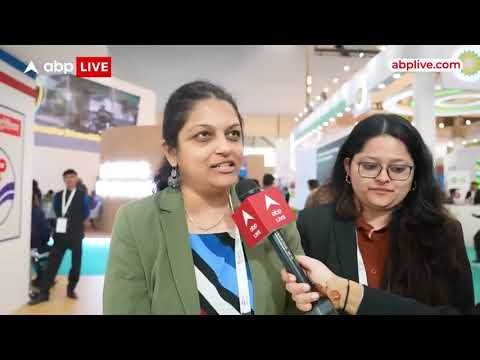
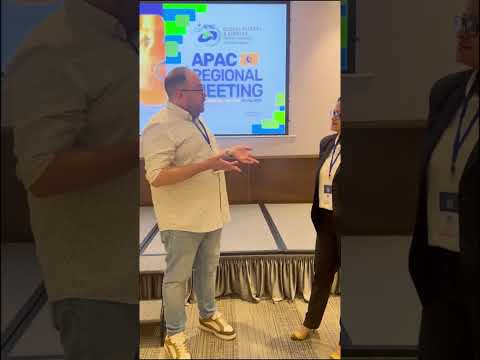
Victor Gascon Moreno (VP of Awareness and Operations, GAAPP)
Ira Toraskar in conversation with Victor Moreno at the GAAPP APAC Regional Summit in Vietnam, discussing patient advocacy, global collaboration, and strengthening lung health initiatives across regions.
Dr. Pralhad Prabhudesai shares his perspective on the importance of early screening, patient awareness, and preventive approaches with the help of digital health tools in improving lung health outcomes.
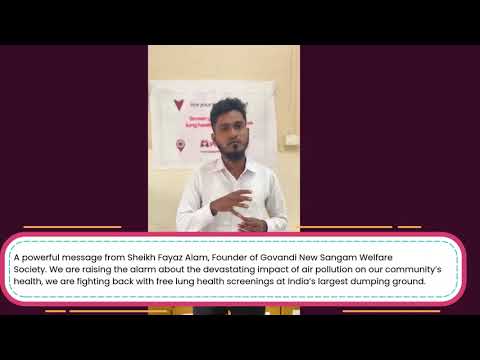
At the Govandi camp, Faiyaz Alam from GNSW shares insights on grassroots collaboration and the need for sustained lung health interventions in high-risk communities.
Amplifying Our Impact Through Partnership
We collaborate with world-renowned organizations to bring best practices and innovation to the grassroots level.




Our work directly contributes to the United Nations Sustainable Development Goals (SDGs), creating a healthier, more equitable, and sustainable future.
Pioneering early detection and patient-first care.
Focusing on women, who are disproportionately affected by indoor air pollution.
Reaching the most underserved communities in urban slums and rural villages.
Advocating for cleaner air policies by linking health impacts to pollution.